
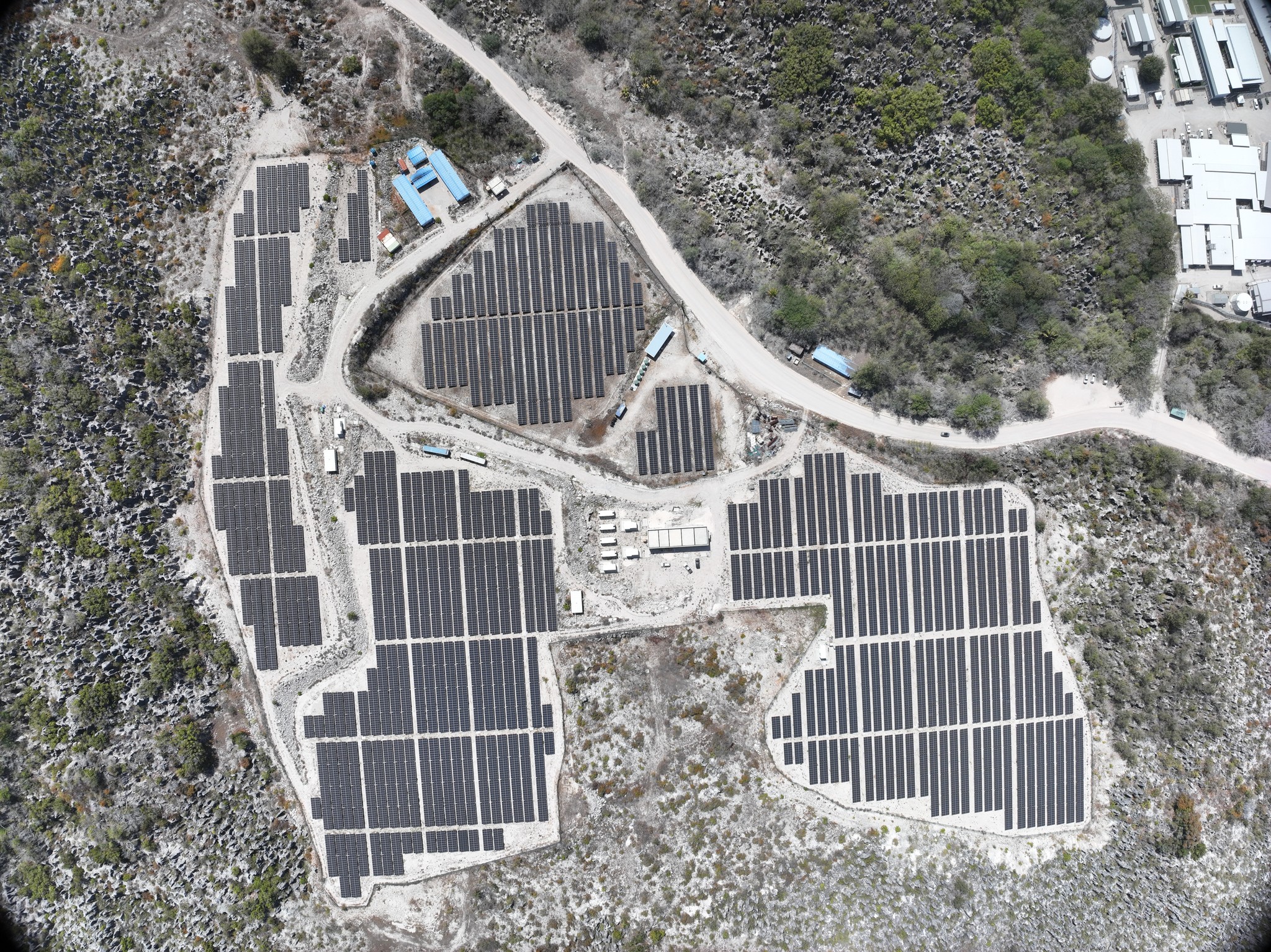
The Government’s bold vision to deliver cleaner and more reliable energy is fast becoming a reality, with its US$22 million six megawatt solar plant reaching a key milestone.
Nauru Utilities Corporation (NUC) has officially commissioned the plant’s 11kV control room, with renewable energy exports to the national power grid now gathering speed.
President David Adeang has described the new plant as a “game changer” that will put the country on track to realise its goal of producing more than 50 per cent renewable energy.
“We can no longer afford to rely on old solutions to address our biggest challenges but must harness game-changing technology that’s focused squarely on the future,” he said.
“The new energy infrastructure we’re delivering is truly nation building and will benefit generations of Nauruans for decades to come.”
The solar plant operation is expected to reach the full capacity of up to six megawatts, depending on the weather, by January 2026.
It will also help to enhance the technical skills of Nauruans and equip them with the capabilities to operate and maintain the planned facilities, reducing the reliance on foreign operators.
President Adeang added that the new and improved power grid would bring the additional benefit of making Nauru less reliant on imported diesel fuel.
“We are determined to stand on our own, and that’s why we’re investing more and more in home-grown infrastructure,” he said.
“This will deliver stronger energy security for households and businesses.”
It’s envisaged the new solar infrastructure will improve NUC’s long-term profitability, while also leading to a substantial reduction in emissions.
NUC’s strategic plan, in conjunction with the Nauru Energy Road Map, aims to achieve 70 per cent renewables penetration by 2030, and CEO Anthony Dimapilis said he was extremely optimistic about the project.
“The benefits are substantial, including enhanced energy security, significant long-term cost savings by reducing reliance on imported diesel, and a critical step towards meeting our national climate commitments,” Mr Dimapilis said.
“It represents a major move toward a more sustainable and resilient future for Nauru.”